

Remembering John Blanche
The visionary artist of the fantastique who spawned an entire genre

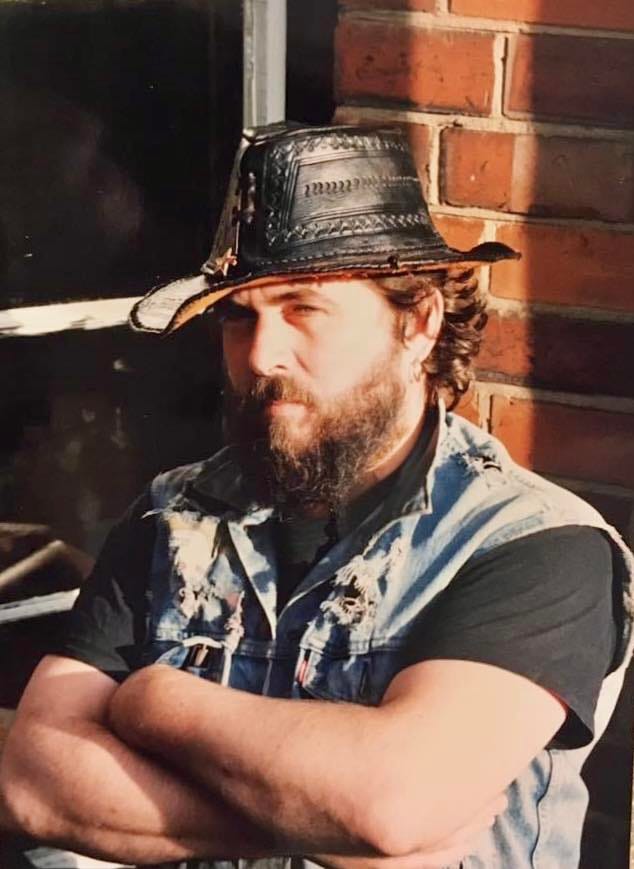
In the early 1980s, the two founders of Games Workshop - Ian Livingstone and Steve Jackson - struck a deal with the publisher Penguin to produce a series of ‘choose your own adventure’ books (which were themselves based on the solo adventures written for the early RPG system ‘Tunnels and Trolls’.) Called ‘Fighting Fantasy’ (FF) they were a phenomenal success, a gateway drug to role playing games, reading in general, and the fantasy and sci-fi genres in particular, for thousands of kids. I dabbled in a few of the early titles, but what really caught my attention was the FF sub-series known as Steve Jackson’s Sorcery! It added more complexity to the basic FF system by introducing a grimoire of spells - all with three-letter titles - that had to be committed to memory. Throughout the game-books the reader would be required to cast a spell at critical moments; confuse GOB with YOB and failure beckoned.


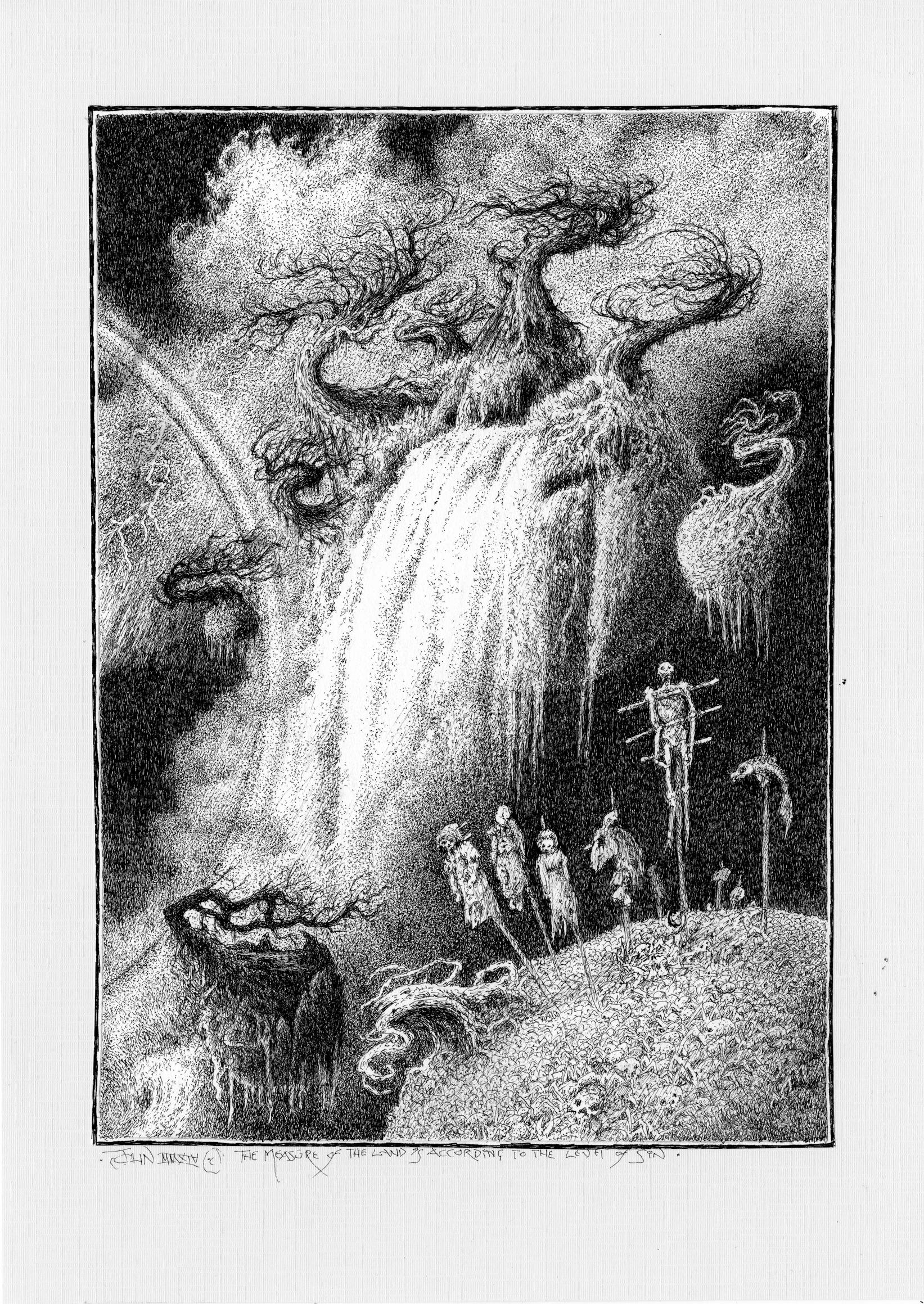
But what enthralled me more than the ‘adventure’ were the illustrations: finely-wrought, carefully-stippled, eccentrically-composed black and white works unlike anything I’d ever seen before, although they perhaps recalled a kind of deranged Aubrey Beardsley. The artist was John Blanche, and I immediately fell in love with his style, going so far as to eventually ‘pay tribute to it’ in my A-level art exam piece (for which I received a modest ‘B’ grade.) I have fond memories of sitting in my bedroom with friends, painting miniatures, listening to Sabbat and Bolt Thrower, and trying to find my own artistic groove through Blanche’s visions.
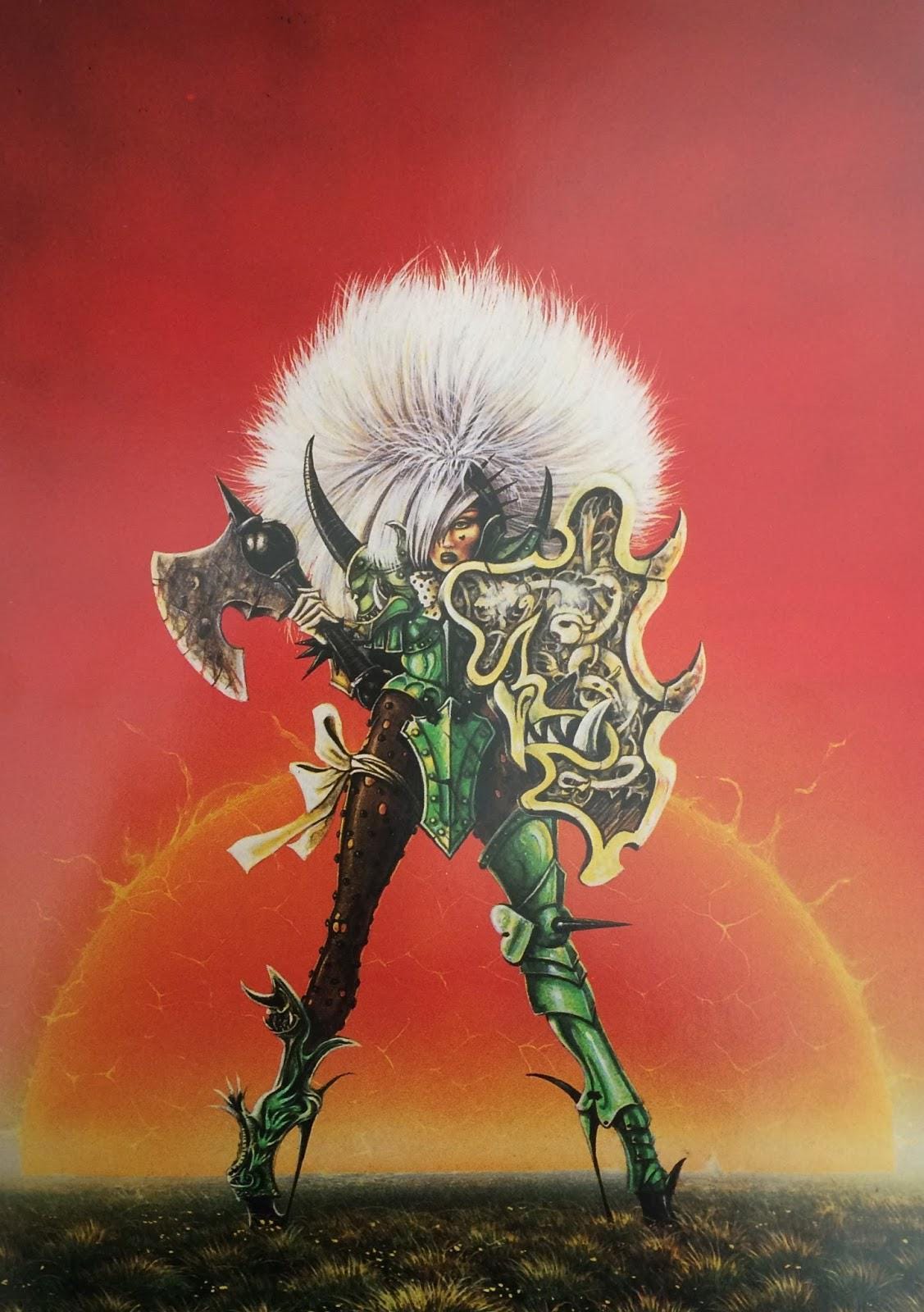
What made his work so unique was its response to - and rejection of - the fairly generic, clean, high-fantasy outputs of American artists like Larry Elmore and Jeff Easley (whose work graced many a Dragonlance adventure or novel.) Blanche’s style was resolutely grimy and surreal; somewhat naive, darkly humorous, and curiously British. Where the high-fantasy artists would depict heroic figures in gleaming armour, proudly standing atop a mountain peak, Blanche would show a moss-encrusted troglodyte in a tatty harlequin costume peering out from beneath a tangle of monstrous thorns.
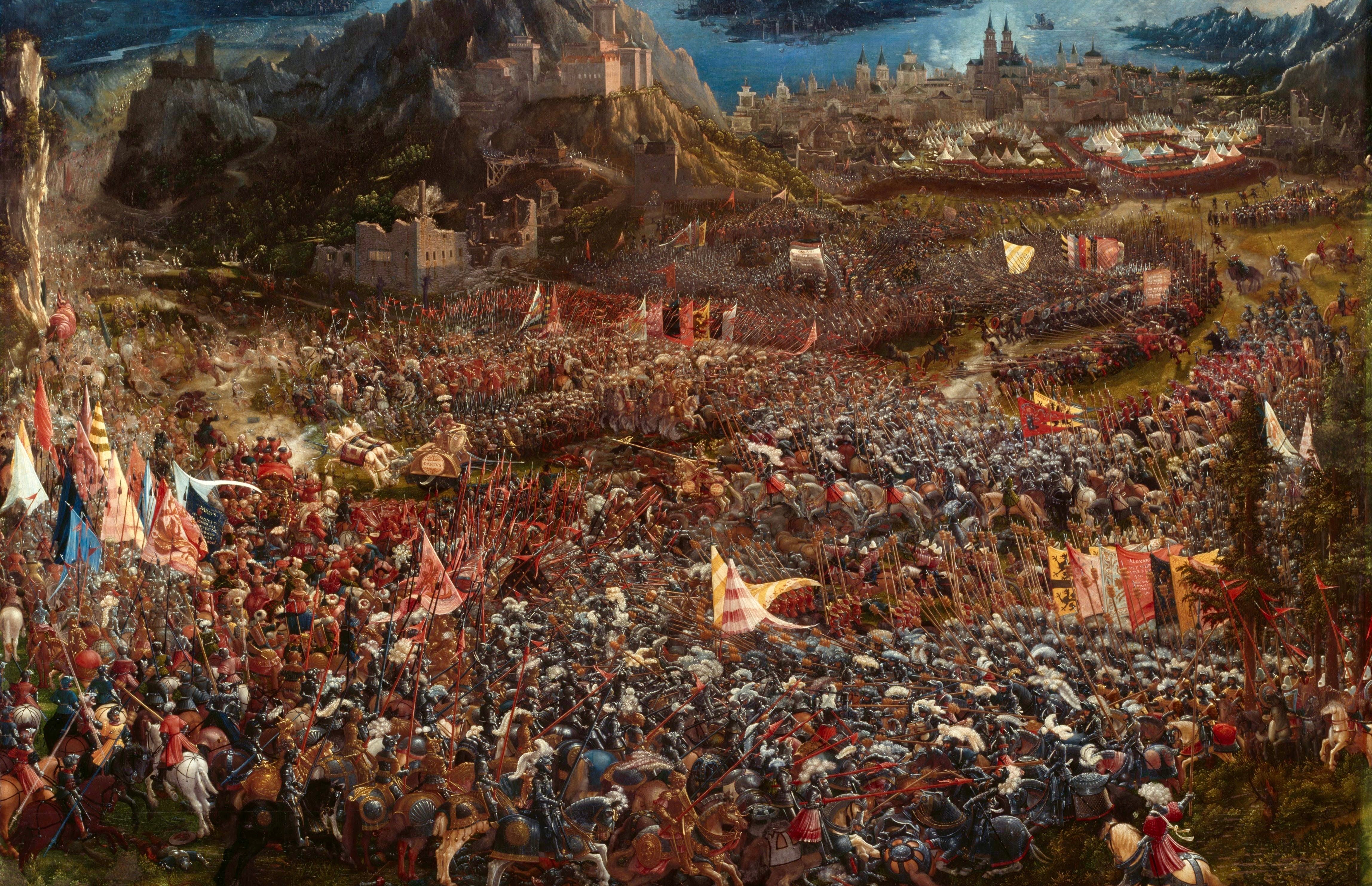
Blanche brought an art-historical perspective to his fantasy worlds, explicitly referencing early 20th century English book illustrators; Art Nouveau and Surrealism; and Northern European Renaissance and Baroque painters. His absolute favourite work, after the Mona Lisa, was Albrecht Altdorfer’s The Battle of Alexander at Issus - a genuinely epic work depicting thousands of horse and foot soldiers immersed in a sea of spears and lances. The influence on Blanche is clear: legions of warriors locked in melee against an impossibly dramatic backdrop. It made for a weirdly compelling combination of highbrow and lowbrow.
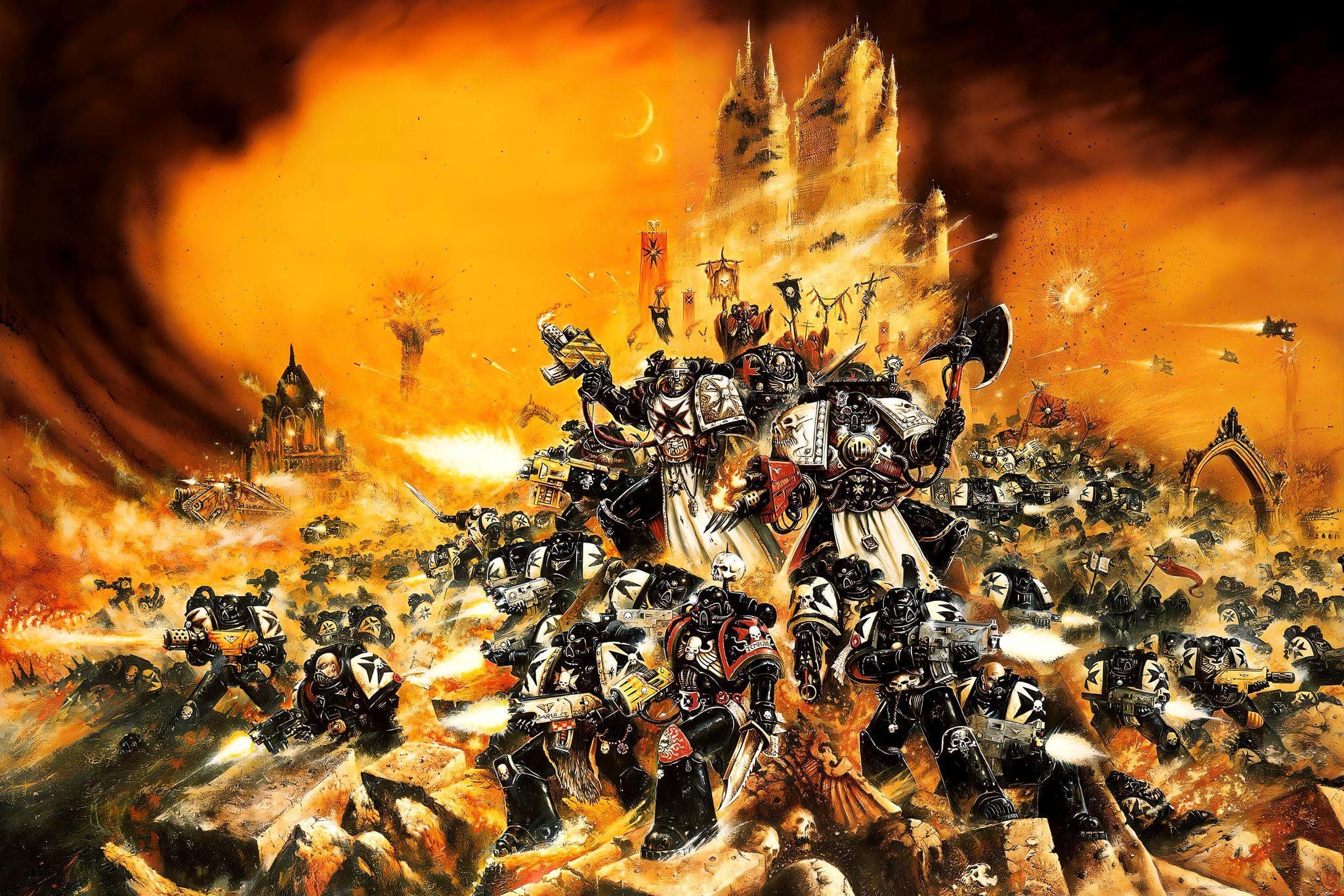
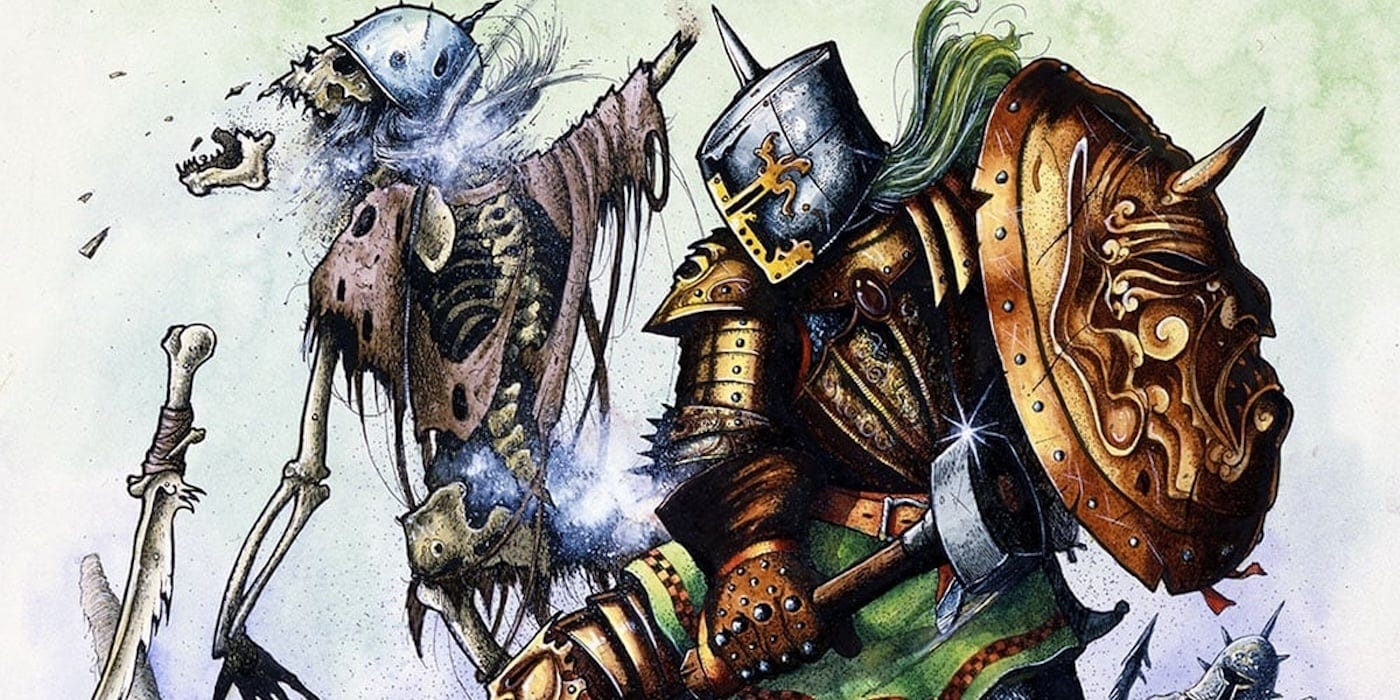
Blanche’s style developed and coalesced around a series of motifs as one iconic image surpassed another. The classic cover of Warhammer Fantasy Battle First Edition - the armoured warrior fondly referred to as ‘Harry the Hammer’ knocking the jaw off a re-animated skeleton - set the scene: kinetic, gritty, and idiosyncratic. Then came the renowned Amazon Gothique, and the grimacing sun & moon-headed figures, not to mention the goblinoid mycology of the Chaos Marauders card game.
Around this time, Blanche became GW’s creative and artistic director, establishing a ‘house look’ that extended across Warhammer and Warhammer 40k, acquiring the sobriquet ‘grimdark’: a kind of corrupted neo-gothic, retro-fitted, brooding, ominous but surreally beautiful aesthetic - one that evolved into an entire sub-genre of games, literature, and art.


In later years he suffered illness from time to time, but continued to make art. He eschewed the colour blue in all its variants, and his works became even more Byzantine and outlandish, epitomised in the Voodoo Forest anthology - a fitting testament to his extraordinary imagination. In my own personal web of correspondences, there’s a stylistic link between Blanche and the art of certain occultists. Without him, I may not have been drawn to the intricate pen-and-ink work of Andrew Chumbley, and thence Spare et al.
So goodbye John; your art caused change to my reality in accordance with your will - by filling it with all manner of delicious nightmares.
John Blanche died aged 78 on Wednesday 3rd June 2026.
You too eh? He was one of those artists whose style was never fixed, but was always instantly recognisable. He was an utter master of creating a visual narrative on every scale too. There's several pieces of his that I've spent way too much time absorbed in, particularly the Eldar stuff he produced in the 90s which sat as incredible, energetic foils to Jes Goodwin's and Mark Gibbons's more controlled pieces. What a legacy, looking forwards to painting up some of the En Garde miniatures when they're available.
Oh, these where such wonderful books!